
Understanding Acquired Brain Injury
Acquired Brain Injury refers to damage to the brain that occurs after birth and is not related to hereditary or degenerative conditions. This condition can affect individuals of any age and often leads to significant physical, cognitive, emotional, and behavioral changes. Unlike conditions that develop gradually over time, Acquired Brain Injury usually happens suddenly and can alter a person’s life within moments. The brain controls movement, memory, emotions, communication, and reasoning, which is why damage can have widespread effects. Many people underestimate how complex and far reaching the effects of Acquired Brain Injury can be until they or a loved one experience it firsthand. Increased awareness has helped improve diagnosis and support options, but misconceptions still remain common. Understanding the nature of Acquired Brain Injury is an essential step toward proper care and recovery.
Common Causes of Acquired Brain Injury
Acquired Brain Injury can result from both traumatic and non traumatic events that disrupt normal brain function. Traumatic causes often involve a direct impact to the head, while non traumatic causes are usually medical in nature. These causes may occur suddenly or develop due to complications within the body. Factors such as age, occupation, lifestyle, and existing health conditions can increase vulnerability. Many people are surprised to learn that everyday incidents can lead to Acquired Brain Injury. The following are some of the most common causes that healthcare professionals identify:
- Falls at home, work, or in public spaces
- Motor vehicle collisions involving cars, motorcycles, or bicycles
- Sports related impacts and recreational accidents
- Stroke or brain hemorrhage
- Oxygen deprivation caused by drowning or cardiac events
- Brain infections such as meningitis or encephalitis
Each of these causes can vary greatly in severity, and the outcome often depends on how quickly medical care is provided.
Types and Severity Levels of Acquired Brain Injury
Acquired Brain Injury is generally classified into traumatic and non traumatic categories, which helps guide treatment planning. Traumatic Acquired Brain Injury occurs when an external force damages the brain tissue. Non traumatic Acquired Brain Injury is caused by internal factors such as illness or lack of oxygen. Medical professionals also classify injuries as mild, moderate, or severe based on symptoms and diagnostic results. A mild injury may still cause lasting issues that are not immediately visible. Moderate injuries often involve longer recovery periods and noticeable cognitive changes. Severe Acquired Brain Injury can result in permanent disability and the need for lifelong support. Accurate classification ensures that individuals receive appropriate medical and rehabilitation services.
Physical, Cognitive, and Emotional Symptoms
Symptoms of Acquired Brain Injury can vary widely depending on the affected area of the brain. Physical symptoms often include headaches, fatigue, balance issues, and difficulties with coordination. Some individuals experience changes in vision, hearing, or sensitivity to light and sound. Cognitive symptoms may involve memory loss, difficulty concentrating, and slower processing of information. Emotional and behavioral changes are also common and can be distressing for both individuals and families. These changes may include mood swings, irritability, anxiety, or depression. Personality shifts can make social interactions more challenging. Recognizing these symptoms early allows for better management and support.
Diagnosis and Medical Evaluation Process
Diagnosing Acquired Brain Injury involves a detailed and ongoing medical evaluation. Initial assessments often take place in emergency settings when symptoms appear suddenly. Imaging tests such as CT scans and MRI scans help identify structural damage to the brain. Neurological examinations evaluate reflexes, coordination, and sensory responses. Cognitive testing measures memory, attention, and problem solving abilities. Doctors may repeat assessments over time to track changes and recovery progress. A comprehensive diagnosis is essential for developing an effective treatment and rehabilitation plan tailored to the individual.
Treatment Options for Acquired Brain Injury
Treatment for Acquired Brain Injury depends on the cause, severity, and specific symptoms experienced by the individual. Immediate medical care focuses on stabilizing the patient and preventing further damage. Medications may be prescribed to reduce swelling, control seizures, or manage pain. In some cases, surgical intervention is necessary to relieve pressure or repair damaged areas. Long term treatment often involves a multidisciplinary healthcare team. Personalized care plans address both physical and cognitive needs. Ongoing medical supervision ensures that complications are identified early and managed appropriately.
Rehabilitation and Recovery Approaches
Rehabilitation plays a central role in helping individuals regain function after Acquired Brain Injury. Physical therapy focuses on improving strength, balance, and coordination. Occupational therapy helps individuals relearn daily activities and improve independence. Speech and language therapy supports communication and swallowing challenges. Cognitive rehabilitation targets memory, attention, and executive functioning skills. Recovery timelines vary greatly and depend on injury severity and access to therapy. Consistent participation in rehabilitation can significantly improve quality of life. Supportive environments encourage progress and motivation throughout recovery.
Long Term Effects and Life Adjustments
Living with Acquired Brain Injury often requires significant adjustments in daily life. Some individuals experience permanent changes that affect employment, education, and social relationships. Fatigue and cognitive limitations may require modified schedules or responsibilities. Emotional changes can impact family dynamics and friendships. Adaptive strategies help individuals manage challenges more effectively. Assistive devices and technology can support independence. Long term follow up care ensures ongoing needs are addressed. With proper support, many individuals find new ways to lead fulfilling lives.
The Role of Family, Caregivers, and Support Systems
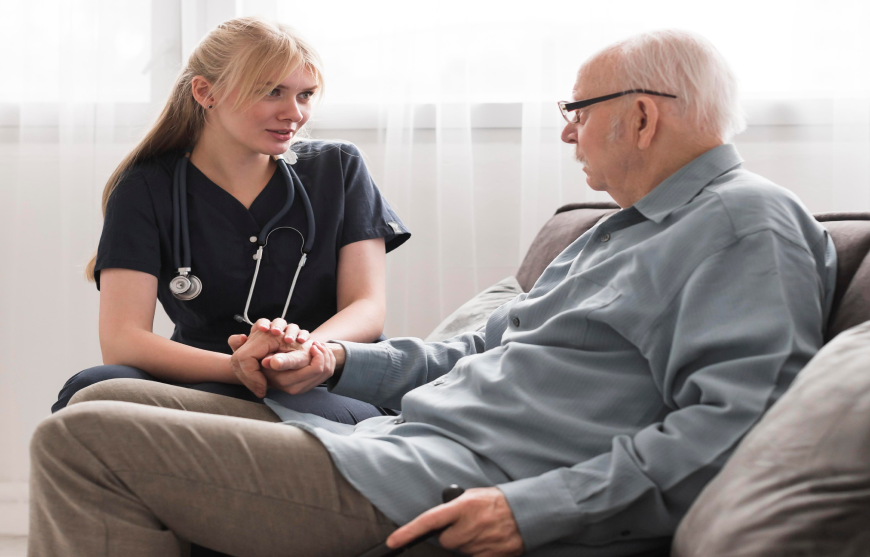
Family members and caregivers play an essential role in supporting individuals with Acquired Brain Injury. Education helps caregivers understand symptoms and respond effectively. Emotional support provides reassurance during challenging recovery periods. Caregivers often assist with medical appointments, therapy routines, and daily tasks. Community resources offer valuable assistance and social connection. Support groups help families share experiences and coping strategies. Encouraging independence while maintaining safety is a delicate balance. Strong support systems positively influence long term outcomes.
Preventive Measures and Risk Reduction
Preventing Acquired Brain Injury involves reducing exposure to known risk factors. Safety practices at home and work help minimize fall related injuries. Wearing protective equipment during sports and recreational activities is essential. Managing chronic health conditions reduces the risk of stroke and medical complications. Public education increases awareness of early warning signs. Healthy lifestyle choices support overall brain health. Prevention efforts benefit individuals, families, and communities alike. Small changes can significantly lower the risk of serious brain injury.
Advances in Research and Emerging Therapies
Ongoing research continues to improve understanding of Acquired Brain Injury. Studies on neuroplasticity show how the brain can adapt and reorganize after injury. New rehabilitation techniques focus on personalized and technology assisted therapy. Virtual reality and computer based programs are becoming more common. Researchers are exploring medications that support brain recovery. Early intervention strategies continue to evolve. These advances offer hope for improved outcomes and enhanced quality of life.
Frequently Asked Questions About Acquired Brain Injury
What is Acquired Brain Injury
Acquired Brain Injury refers to brain damage that occurs after birth due to trauma or medical conditions.
How is Acquired Brain Injury different from Traumatic Brain Injury
Traumatic Brain Injury is a type of Acquired Brain Injury caused by external force, while Acquired Brain Injury also includes non traumatic causes.
Can someone recover fully from Acquired Brain Injury
Recovery varies widely and depends on severity, cause, and access to rehabilitation.
Is Acquired Brain Injury considered a disability
In many cases, Acquired Brain Injury qualifies as a disability due to its impact on daily functioning.
How long does recovery usually take
Recovery can take months or years, and some effects may be long lasting.
What treatments are most effective
A combination of medical care, rehabilitation therapies, and support services is most effective.
Takeaway
Acquired Brain Injury is a complex condition that affects many aspects of life, from physical abilities to emotional well being. Understanding its causes, symptoms, and treatment options empowers individuals and families to make informed decisions. Early diagnosis and comprehensive care improve recovery potential. Rehabilitation and strong support systems play critical roles in long term adjustment. Preventive measures help reduce risk and protect brain health. Advances in research continue to improve outcomes for those affected. With knowledge, support, and proper care, individuals living with Acquired Brain Injury can work toward meaningful and fulfilling lives.