
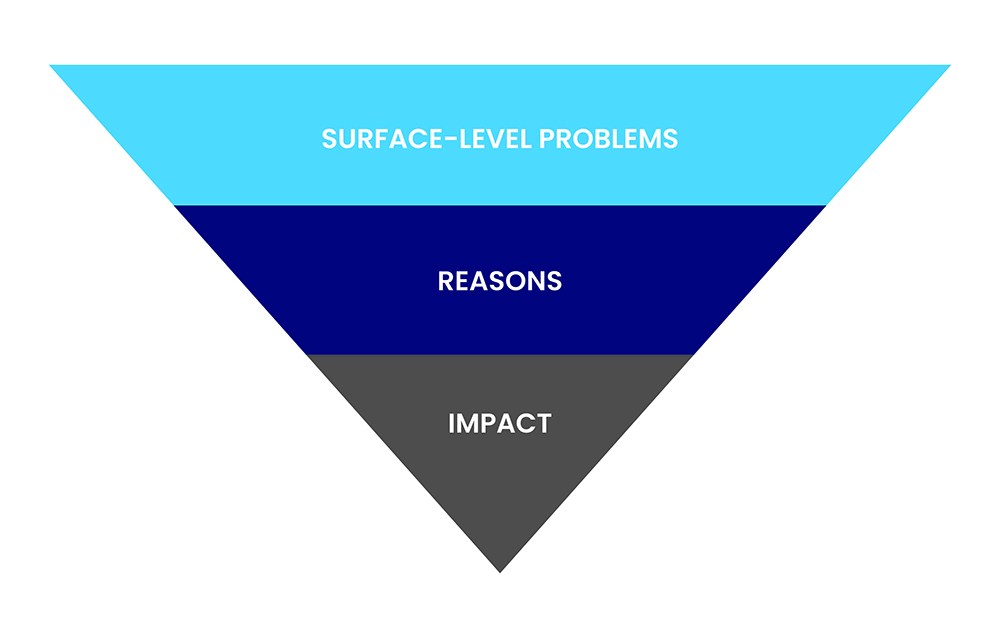
Understanding the Concept of Pain in Sales
Sales is often thought of in terms of solutions, value, and features, but at its core, it revolves around human psychology. One of the most powerful drivers in purchasing behavior is the concept of pain. Pain in sales is not physical—it’s the discomfort, frustration, or dissatisfaction a prospect experiences when a problem remains unresolved. Emotional pain, financial pain, and operational pain each influence a buyer’s decision-making process differently. Emotional pain might stem from stress, inefficiency, or a lack of confidence in current processes. Financial pain involves lost revenue, overspending, or ineffective resource allocation. Operational pain refers to inefficiencies, workflow bottlenecks, or procedural hurdles. Recognizing these pain points allows sales professionals to tailor their approach, showing prospects that their solution directly addresses the areas causing the most stress or loss. When handled thoughtfully, understanding pain becomes a bridge between empathy and effective selling.
The Science Behind Pain and Decision-Making
Pain drives human behavior at a neurological level, affecting the way buyers process information and make decisions. The brain treats pain as a signal that something is wrong, activating the amygdala to trigger alertness and the prefrontal cortex to assess options for relief. Neurotransmitters such as dopamine and cortisol play key roles in influencing urgency and risk perception. Loss aversion—the psychological tendency to avoid losses more than acquiring gains—demonstrates how buyers often act more decisively to eliminate pain than to pursue benefits. This explains why highlighting unresolved challenges can accelerate decision-making in a sales context. Buyers are wired to seek relief from discomfort, making it crucial for sales teams to identify and frame these pain points effectively. Understanding the science behind pain allows sales professionals to navigate the emotional and rational dimensions of buying behavior with precision.
Emotional vs. Rational Pain in the Buying Process
Not all pain is created equal. Emotional pain stems from psychological stress, dissatisfaction, or frustration that affects morale and confidence. For example, an overworked manager may feel anxious about inefficiencies, creating urgency to find solutions. Rational pain, on the other hand, focuses on measurable losses—such as wasted budget, missed deadlines, or low productivity. Both types of pain often intersect, amplifying the urgency for a solution. Emotional pain can motivate initial engagement, while rational pain drives concrete decision-making. Understanding the distinction allows salespeople to craft messages that resonate on multiple levels. Addressing both emotional and rational pain ensures the prospect perceives both immediate relief and long-term value, increasing the likelihood of closing the deal.
How Pain Drives Sales Motivation
Pain is not just a barrier for buyers—it’s a guide for sellers. By uncovering the core discomforts of prospects, sales professionals can align their messaging with genuine needs. Pain often creates urgency, motivating buyers to take action rather than delay decisions. For instance, a company losing revenue due to inefficient software will prioritize solutions that promise measurable improvements. Using pain as a motivational tool requires a balance between highlighting challenges and offering relief, avoiding fear-mongering or manipulation. Consultative selling thrives on understanding pain, as it positions the salesperson as a trusted advisor rather than a transactional vendor. Recognizing latent pain—challenges the prospect may not yet articulate—can differentiate top-performing sales teams. Ultimately, addressing pain effectively transforms objections into opportunities for meaningful dialogue and solution alignment.
Pain Mapping: A Practical Approach for Sales Teams
Mapping pain points is a structured way to identify and address buyer discomfort. A pain map visually connects the prospect’s problems with potential solutions, ensuring that every sales conversation is relevant and compelling. The process begins with research—understanding industry challenges, business objectives, and the prospect’s current tools. Next, sales teams categorize pain into emotional, financial, and operational dimensions. By identifying patterns, teams can prioritize high-impact pain points and tailor messaging accordingly. Pain mapping also informs the development of buyer personas, aligning sales strategies with specific needs. Tools like CRM systems, surveys, and discovery questions enhance the accuracy of this process. A well-executed pain map helps sales teams anticipate objections, demonstrate value early, and foster trust through empathetic understanding.
Steps to Map Customer Pain:
- Conduct industry and competitor research to identify common pain points
- Engage prospects with discovery questions to uncover hidden challenges
- Categorize pain into emotional, rational, and operational areas
- Visualize pain points in a structured map for easy reference
- Align solutions directly with mapped pain to show immediate impact
- Continuously update the map as new information emerges
- Train the sales team to use pain maps during conversations for maximum effect
Overcoming Buyer Resistance by Addressing Pain
Objections often signal underlying pain rather than disinterest. Recognizing this allows sales professionals to address the real issue rather than just surface concerns. Empathetic listening is critical—by echoing the prospect’s language and acknowledging their challenges, sellers build credibility and rapport. Reframing pain as an opportunity demonstrates that solutions are not merely transactional, but transformative. For example, highlighting how a product reduces workflow stress or financial loss positions the solution as a strategic choice. Overcoming resistance also involves patience; pushing too aggressively can trigger defensive responses, whereas understanding the context of pain fosters collaboration. Sales teams that master this approach often convert objections into pathways for deeper engagement. Addressing pain thoughtfully strengthens the buyer-seller relationship and positions the salesperson as a trusted partner in problem-solving.
Adapting to the Evolving Role of Pain in Modern Sales
Even with advances in technology and data analytics, pain remains central to the sales process. Modern buyers have access to abundant information, making it essential for sellers to uncover deeper, sometimes unarticulated pain points. AI tools and analytics enable sales teams to detect patterns in customer behavior, flagging potential challenges before they escalate. Personalization enhances this approach, allowing messages to resonate with individual pain points rather than generic solutions. However, the human touch remains crucial—empathy, active listening, and insight-driven dialogue cannot be fully replaced by automation. Balancing pain-driven and solution-driven selling ensures that technology supports, rather than replaces, human connection. The evolving market demands that sales teams remain adaptive, continuously refining how they identify, address, and communicate about pain.
Ethical Considerations in Leveraging Pain
While pain is a powerful motivator, it carries ethical responsibilities. Exploiting fear or creating artificial urgency can damage trust and long-term relationships. Ethical sales practices focus on empathy, transparency, and problem-solving rather than manipulation. This means highlighting real challenges without exaggeration, presenting solutions without coercion, and prioritizing customer outcomes over quick wins. Organizations should train teams to recognize ethical boundaries when discussing pain, emphasizing relationship-building as a core metric of success. Ethical handling of pain reinforces credibility and brand reputation, ensuring that customer satisfaction aligns with business growth. In essence, addressing pain ethically transforms it from a sales tactic into a tool for genuine value creation and trust-building.
Real-World Applications and Lessons for Sales Teams
Successful application of pain psychology requires strategy, insight, and consistent execution. High-performing sales teams leverage pain analysis to optimize discovery calls, prioritize leads, and refine messaging. Remote and virtual selling environments particularly benefit from a structured approach to uncovering pain through targeted questioning and behavioral cues. Integrating pain insights into CRM systems and sales enablement tools ensures consistent tracking and follow-up, allowing sales teams to address evolving challenges proactively. Measurement of ROI should go beyond revenue, including reductions in customer pain and improvements in operational efficiency. By embedding pain psychology into the sales framework, organizations create repeatable processes that increase conversion while enhancing client satisfaction.
Frequently Asked Questions (FAQ)
What is the difference between a pain point and a need?
A pain point is the specific discomfort or problem a prospect experiences, while a need is a broader requirement or goal they hope to achieve. Addressing pain often fulfills underlying needs.
How do I identify pain points in B2B vs B2C sales?
B2B pain points often focus on operational inefficiency, revenue loss, or workflow challenges, while B2C pain points tend to center on personal dissatisfaction, convenience, or cost savings. Discovery and research are essential in both cases.
Can focusing on pain ever backfire in sales conversations?
Yes. Overemphasizing pain or exaggerating its consequences can appear manipulative, eroding trust. The key is empathetic, solution-focused discussion.
How can I train my sales team to detect subtle pain signals?
Regular role-playing, listening exercises, and review of real conversations help reps identify verbal and behavioral cues indicating pain. Integrating these insights into CRM notes reinforces the practice.
Are there industries where pain-based selling is less effective?
Industries with highly transactional, low-stakes purchases may not benefit as much from pain-focused strategies. However, even in such cases, understanding friction points can enhance customer satisfaction.
Takeaway
Understanding the psychology of pain is more than a sales tactic—it’s a framework for connecting with prospects on a meaningful level. By recognizing, mapping, and addressing both emotional and rational pain points, sales teams can create urgency, build trust, and drive better decision-making. The modern sales landscape demands empathy, insight, and ethical application of pain psychology to differentiate solutions and foster long-term relationships. Sales professionals who embrace this approach not only increase conversion but also establish themselves as trusted advisors in the eyes of their buyers.
Read More: https://sandler.com/blog/the-psychology-of-pain-why-it-still-matters-in-sales/